Frozen Snot and Darkness
The best camera is the one in your hand

Back against the frozen drystone wall, we crouch. The wind has gone from howling to shrieking, bringing with it icy daggers. We’ve tried to time it so as to minimise the wait as far as possible, but you never want to miss the shot. Ellie and I each held one tiny camera and one lens, each trying to cocoon it in our many layers of jackets before the athlete would appear. Knowing the cold would be clawing at the batteries, repeatedly cleaning a foggy ice layer on the lens.
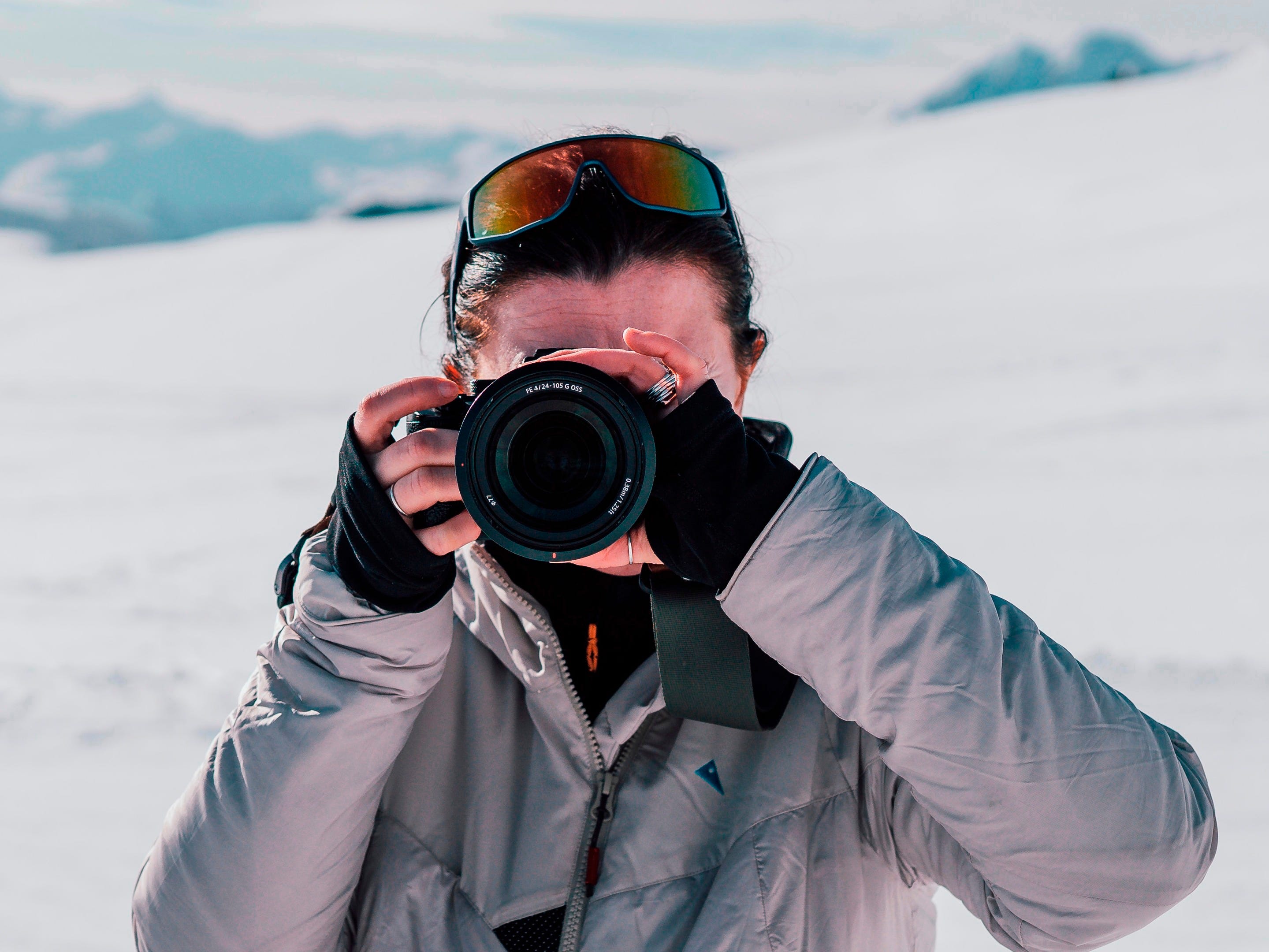
Over the years, these wild moments on the Pennine way would form some of the most crucial footage of our two Spine race films, The Montane Spine Race Film (2015, the 4th edition) and SPINE (2022 ten year anniversary documentary).
Stories don’t always sit in the warm and the dry, a nicely chilled rosé in hand. They seem to frequently hide in the jagged crags of mountains, in the wildest weather and through nights without sleep.
Don’t get snobby, if a story invites you for a glass of wine, accept graciously. You’ll be glad that it wasn’t all frozen snot and darkness.
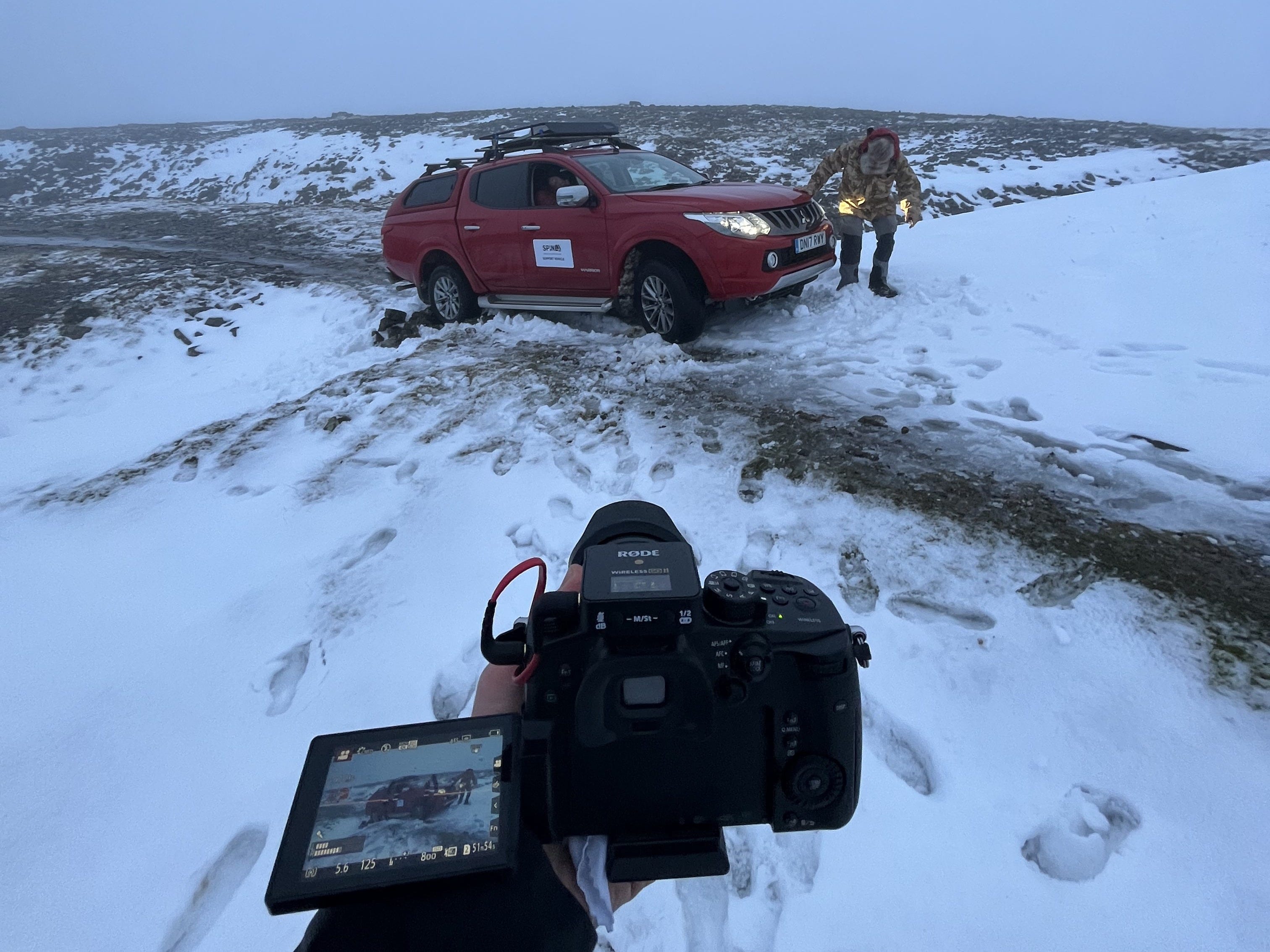
Filmmakers are often one to geek out on kit, and with the range of camera kit now available, building a camera rig, frames, monitors, lenses, mics, receivers… not to mention drones and all the possible paraphernalia they come with - it’s an exciting prospect. The creative opportunities this kit can bring are really exciting. (There is a massive “but” coming).
BUT, if it’s not recorded, how good is the footage?
For most, if not all of our productions, we are in remote places and/or in wild weather, and the simple truth is this. If you can’t get your set up to the locations you need, or it won’t function in that environment, it’s no good. The story is the most important thing. Not the resolution, not the sound quality, not the zoom or high dynamic range. THE STORY! If it’s not captured, then it’s just a whisper in the wind, at best a rumour in the pub. (Which would be doubly annoying because you’ll get the question “what was the footage like of it”… awkward!)
For those setting out into filmmaking or early in their careers, I want you to feel hope. Yes a reliable basic set up is important, including sound and visuals, but that could be a second hand camera using the on camera mic, or using a phone as the audio recorder. High spec kit is of course nice to use, and we look to upgrade from time to time, but even the value can be prohibitive. You’ll be so worried about getting it wet or damaged, you may well miss out on the magic river crossing moment or a rescue that played a crucial role in the story.
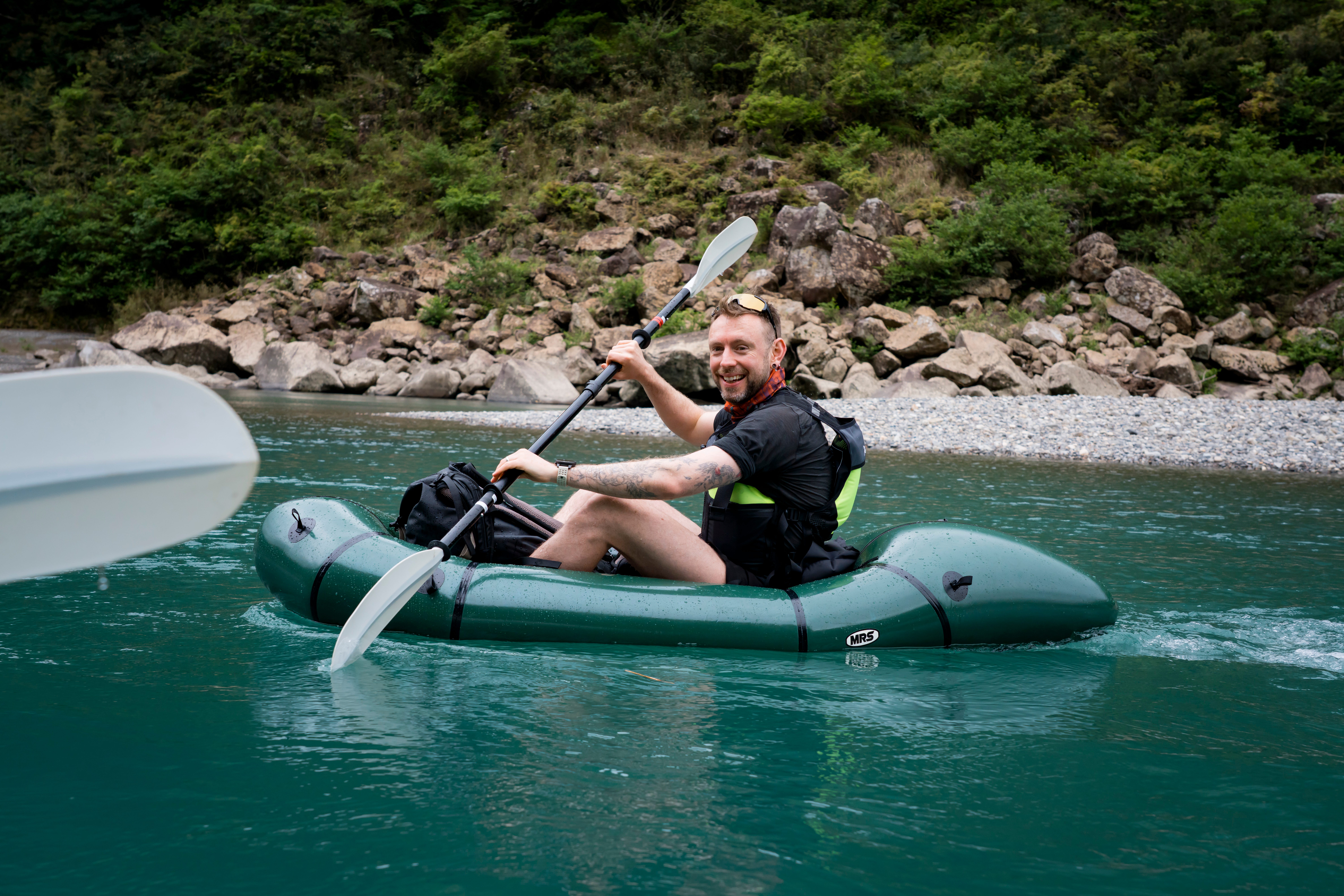
Of course some scenarios might benefit from specialist kit, on a via ferata? A Peak Design leash or strap would come in handy to keep it available. In the pouring rain, camera cover can keep you shooting. If these are out of budget, apply your creativity to find solutions, it might be using some cord to act as a strap, or a dry bag with a hole in it as a camera cover. I’ve used both of those and they work just as well and in the case of the drybag, better!
On that note, that documentary you always wanted to make, needs making - off you go!
The result of frozen snot and darkness, watch SPINE on Amazon Prime Video or Apple TV

Coming Soon to Pre-order “Three Solo”
